Noise pollution: how to reduce the impact of an invisible threat?
Atmospheric pollution is not the only type of contamination that is harming living beings on the planet. According to the World Health Organization (WHO), it is one of the most dangerous environmental threats to health. And according to the European Environment Agency (EEA), noise is responsible for 16,600 premature deaths and more than 72,000 hospitalisations annually in Europe alone.
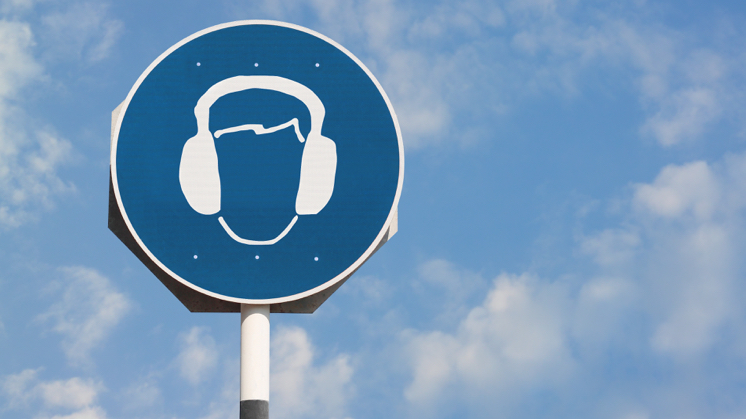
Drivers honking the horn, groups of workers drilling the road surface, aircraft flying over us in the sky... Noise, noise and more noise. Cities have become the epicentre of a type of pollution, acoustics, which, although its invisibility and the fact that the coronavirus crisis reduced it until almost yearn it, is severely damaging to human beings. So much so that the European Environment Agency estimates that noise is responsible for 72,000 hospital admissions and 16,600 premature deaths every year in Europe alone.
Not only does it hurt humans, but it is also bad for animals, too. According to the National Park Service (NPS) in the United States, noise pollution has an enormous environmental impact and does serisevereage to wildlife. Experts say noise pollution can interfere with breeding cycles and rearing and is hastening some species' extinction IS NOISE POLLUTION?
Not all sound is considered noise pollution. The World Health Organization (WHO) defines noise above 65 decibels (dB) as noise pollution. To be precise, noise becomes harmful when it exceeds 75 decibels (dB) and is painful above 120 dB. As a consequence, it is recommended noise levels be kept below 65 dB during the day and indicates that restful sleep is impossible with nighttime ambient noise levels over 30 dB.
CAUSES OF NOISE POLLUTION




Very informative
ReplyDelete